
Whether you’re protecting a garden, creating a comfortable outdoor seating area, or shielding crops from harsh sunlight, choosing the right shading solution can make a significant difference. Among the most popular options available today are HDPE shade nets and traditional shades such as cloth canopies, bamboo mats, tarpaulins, wooden pergolas, and fabric awnings.
While both serve the primary purpose of reducing heat and sunlight exposure, they differ considerably in terms of durability, cost, maintenance, UV protection, ventilation, and long-term performance.
This guide compares HDPE shade nets and traditional shades in detail to help you determine which option best suits your needs. Whether you’re a homeowner, gardener, farmer, or business owner, understanding the strengths and limitations of each solution will enable you to make an informed investment.
What Are HDPE Shade Nets?
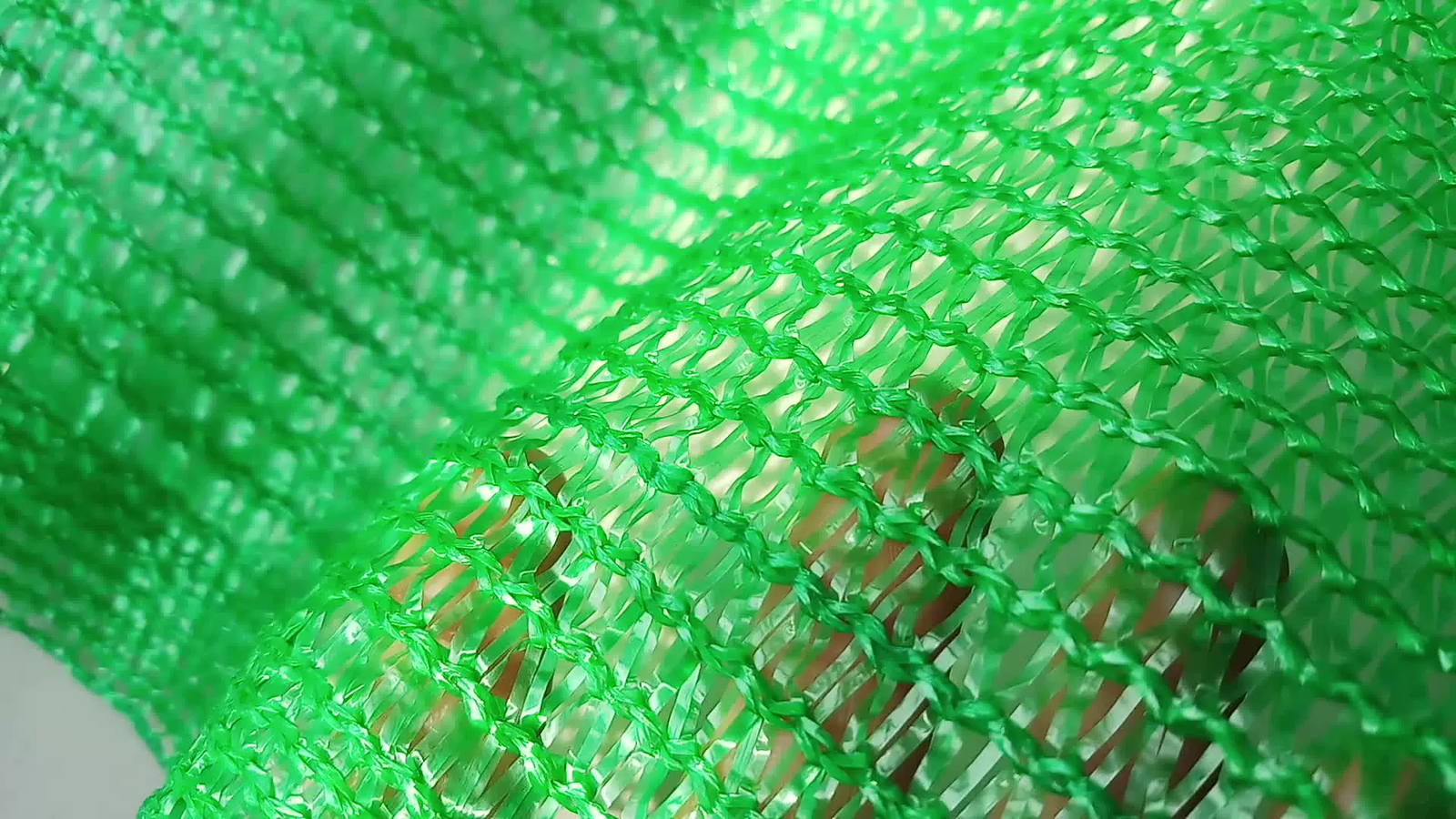
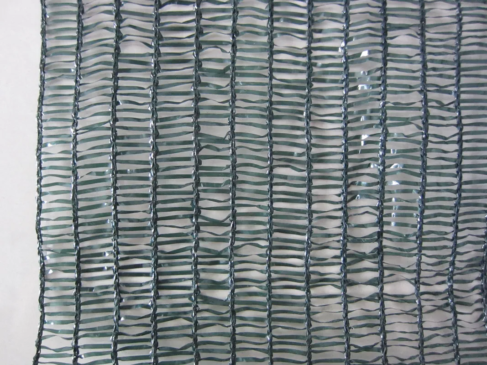
HDPE (High-Density Polyethylene) shade nets are lightweight yet durable knitted mesh fabrics specifically engineered to reduce sunlight intensity while allowing air circulation. They are manufactured using UV-stabilized polymers that resist degradation from prolonged exposure to sunlight.
Unlike solid coverings, HDPE shade nets filter sunlight instead of completely blocking it, creating cooler and healthier environments for plants, people, and outdoor structures.
They are commonly available in different shade percentages, including:
- 30% shade
- 50% shade
- 75% shade
- 90% shade
Different shading levels allow users to select the appropriate amount of sunlight reduction based on the intended application.
What Are Traditional Shades?
Traditional shades refer to conventional materials used for sun protection, including:
- Cotton or canvas cloth
- Tarpaulin sheets
- Bamboo screens
- Wooden pergolas
- Metal roofs
- Fabric awnings
- Palm leaf mats
These solutions have been used for decades in residential, commercial, and agricultural settings. While they provide effective shade, their performance depends heavily on the material, installation quality, and maintenance.
HDPE Shades Net vs Traditional Shades: A Detailed Comparison
1. Material Quality
HDPE shade nets are manufactured from high-density polyethylene, a material known for its strength, flexibility, and resistance to environmental damage.
Traditional shades vary widely in quality depending on the material used. Natural materials such as bamboo and cotton deteriorate over time, while tarpaulins may crack or tear after prolonged UV exposure.
Winner: HDPE Shade Nets
2. UV Protection
One of the biggest advantages of HDPE shade nets is their UV stabilization. They reduce harmful ultraviolet radiation while still allowing sufficient natural light to pass through.
Traditional cloth or bamboo shades offer limited UV resistance and often degrade after continuous exposure to sunlight.
HDPE shade nets maintain consistent performance even after years of outdoor use.
Winner: HDPE Shade Nets
3. Temperature Reduction
HDPE shade nets reduce heat buildup by filtering sunlight and allowing hot air to escape through their knitted structure.
Traditional solid coverings may trap heat beneath them because airflow is restricted.
Better ventilation means cooler environments for:
- Plants
- Outdoor seating
- Greenhouses
- Livestock
- Parking areas
Winner: HDPE Shade Nets
4. Air Circulation
Airflow plays a major role in maintaining comfortable temperatures.
HDPE shade nets feature an open mesh construction that encourages natural ventilation.
Traditional shades such as tarpaulins or canvas often block airflow, creating warm and humid conditions underneath.
Better airflow also helps reduce mold, mildew, and excess moisture.
Winner: HDPE Shade Nets
5. Durability
HDPE shade nets are specifically designed for outdoor environments.
They resist:
- UV radiation
- Rain
- Wind
- Moisture
- Chemicals
- Corrosion
Many high-quality HDPE shade nets last between 5–10 years depending on climate and maintenance.
Traditional shades often require frequent replacement due to fading, tearing, or weather damage.
Winner: HDPE Shade Nets
6. Maintenance Requirements
HDPE shade nets require minimal maintenance.
Occasional washing with water removes accumulated dust and dirt.
Traditional shades may require:
- Repainting
- Waterproof treatments
- Fabric replacement
- Pest protection
- Repairs after storms
Lower maintenance means reduced long-term costs.
Winner: HDPE Shade Nets
7. Installation
Both shading systems are relatively easy to install.
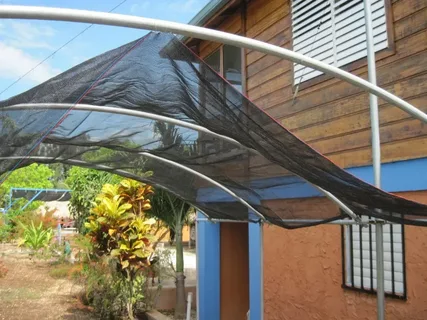
HDPE shade nets are lightweight and can be secured using ropes, clips, cables, or metal frames.
Traditional structures such as pergolas or permanent awnings may require professional installation.
For temporary applications, tarpaulins can also be installed easily but lack the durability of HDPE nets.
Winner: HDPE Shade Nets
8. Cost Comparison
Traditional cloth or bamboo shades may have a lower initial purchase price.
However, repeated maintenance and replacements increase long-term expenses.
HDPE shade nets generally provide a better return on investment because they last significantly longer.
When evaluating total ownership costs over several years, HDPE shade nets are often the more economical option.
Winner: HDPE Shade Nets
9. Environmental Resistance
Outdoor shading materials must withstand changing weather conditions.
HDPE shade nets resist:
- Heavy sunlight
- Rainfall
- Wind
- Humidity
- Chemical exposure
- Rot
Natural materials may warp, decay, or attract insects over time.
Winner: HDPE Shade Nets
10. Appearance
Traditional shades offer a classic aesthetic suitable for patios, cafés, and heritage-style architecture.
Wooden pergolas and bamboo screens create decorative outdoor spaces.
HDPE shade nets prioritize functionality, although modern color options such as green, black, white, and beige allow them to blend into different environments.
This category depends largely on personal preference.
Winner: Tie
Advantages of HDPE Shade Nets
HDPE shade nets provide several practical benefits, including:
- Excellent UV protection
- Superior airflow
- Reduced heat buildup
- Lightweight construction
- Easy installation
- Long service life
- Low maintenance
- Weather resistance
- Cost-effectiveness
- Versatile applications
These features make them one of the most widely used shading solutions worldwide.
Advantages of Traditional Shades
Traditional shading systems still have certain advantages.
These include:
- Natural appearance
- Decorative appeal
- Wide range of materials
- Suitable for architectural designs
- Lower upfront cost in some cases
For permanent outdoor living spaces where aesthetics are the primary concern, traditional shades may still be preferred.
Common Applications of HDPE Shade Nets
Because of their versatility, HDPE shade nets are used across multiple industries.
Agriculture
Farmers use shade nets to:
- Protect crops
- Improve germination
- Reduce heat stress
- Increase yield
Gardening
Gardeners install shade nets for:
- Flower beds
- Vegetable gardens
- Nurseries
- Seedlings
Greenhouses
Shade nets regulate internal temperatures while maintaining healthy light levels.
Commercial Spaces
Businesses use HDPE shade nets for:
- Parking lots
- Restaurants
- Outdoor cafés
- Event venues
- Warehouses
Residential Properties
Homeowners install shade nets over:
- Balconies
- Patios
- Rooftops
- Swimming pools
- Children’s play areas
When Traditional Shades May Be a Better Choice
Despite the advantages of HDPE shade nets, traditional shades remain suitable in certain situations.
You may prefer traditional shades if:
- Architectural aesthetics are your top priority.
- You want a permanent decorative structure like a pergola.
- You’re designing a luxury outdoor entertainment area.
- Complete shade is required rather than filtered sunlight.
- The installation is intended as a design feature rather than a purely functional solution.
How to Choose the Right Shading Solution
Before making a decision, consider the following factors:
Purpose
Determine whether the shade is intended for plants, people, vehicles, or outdoor living spaces.
Climate
Areas with intense sunlight benefit significantly from UV-stabilized HDPE shade nets.
Budget
Consider both the initial purchase price and long-term maintenance costs rather than focusing only on upfront expenses.
Shade Percentage
Select the appropriate shade level based on the intended application. Lower percentages allow more light, while higher percentages provide greater sun protection.
Longevity
If durability and minimal maintenance are priorities, HDPE shade nets are generally the better choice.
Final Verdict: Which Is Better?
When comparing overall performance, HDPE shade nets outperform traditional shades in nearly every functional category, including durability, UV protection, ventilation, weather resistance, maintenance, and long-term value.
Traditional shades still have their place, particularly where architectural style or decorative appeal is the primary objective. However, for most residential, agricultural, commercial, and industrial applications, HDPE shade nets offer a more practical and cost-effective solution.
If your goal is to create a cooler, more comfortable, and energy-efficient outdoor environment while minimizing maintenance, investing in a high-quality HDPE shade net is the smarter long-term choice.
FAQs
1. Are HDPE shades net better than traditional shade cloth?
Yes. HDPE shade nets are generally more durable, UV-resistant, and weatherproof than conventional shade cloth. They also provide better airflow and require less maintenance, making them a preferred choice for long-term outdoor use.
2. How long do HDPE shades net last?
A quality UV-stabilized HDPE shade net typically lasts between 5 and 10 years, depending on the product quality, installation, climate, and maintenance practices.
3. Can HDPE shades net withstand heavy rain and strong winds?
Yes. Properly installed HDPE shade nets are designed to resist rain, wind, and harsh weather conditions. Their knitted mesh structure allows wind to pass through more easily than solid coverings, reducing the risk of damage.
4. Which shade percentage is best for gardens and plants?
The ideal shade percentage depends on the type of plants. Vegetables and flowering plants often perform well under 30%–50% shade, while delicate plants, nurseries, and orchids may require 75% shade or higher.
5. Are HDPE shades net worth the investment?
Absolutely. Although the initial cost may be slightly higher than some traditional shading materials, their long lifespan, low maintenance requirements, superior UV protection, and overall durability make HDPE shade nets a cost-effective investment over time.